Glute medius weakness: the hip stabilizer behind knee, hip and low-back pain.
A hip that drops or a knee that caves inward when you stand on one leg usually traces to a single weak stabilizer — the gluteus medius. Here is how it drives knee, hip and one-sided low-back pain, and how we rebuild it.
Related guide Sports & running injuries

A hip that drops when you walk or a knee that caves inward on one leg usually means a weak gluteus medius, the side-of-hip muscle that keeps your pelvis level. The hip itself often doesn't hurt; the weakness shows up as outer-knee or kneecap pain, or one-sided low-back and SI-joint pain. Stretching and rest won't rebuild it; it needs retraining under load, from clamshells to single-leg step-downs and hip hikes.
Stand on one leg and watch your free hip in a mirror. If it sags downward, or your standing knee drifts inward toward the midline, you are watching a stabilizer quit on you.
Patients describe it a dozen ways — a hip that drops when they walk, a knee that caves in on the stairs, outer-hip fatigue by the end of a run, or simply "my hip won't hold me." The muscle behind nearly all of it is the gluteus medius: the main hip stabilizer, or hip abductor, on the side of your pelvis. When it is weak, the fallout shows up almost everywhere but the hip itself.
Why does my hip drop when I walk?
Every step you take is a moment of standing on one leg. As one foot lands and the other swings through, the gluteus medius on the standing side fires to keep your pelvis level so the swinging side doesn't crash toward the floor. Cleveland Clinic notes the hip abductors carry roughly two-thirds of your body weight through the joint during that single-leg stance phase — which is about 60% of every stride.
When the gluteus medius is too weak to do its job, the opposite hip drops on each step. Clinicians call that visible sag a Trendelenburg gait, and the body usually lists toward the weak side to compensate. You may not see the drop yourself, but you feel it: a wobble on single-leg tasks, outer-hip burning late in a run, and the sense that the hip simply won't lock in and hold you.
How a weak hip drives knee, kneecap and IT band pain
Here is the part that surprises people: the hip rarely hurts. The pain lands downstream, at the knee. When the stabilizer fails, the thighbone rotates inward and the knee caves toward the midline on every loaded step — a collapse that dumps stress onto structures never built to absorb it.
That inward collapse is the engine behind two of the most common knee complaints we treat. It cranks tension through the outer thigh and lights up IT band syndrome at the outer knee, and it drags the kneecap off its track, producing the front-of-knee ache of patellofemoral pain. Treat either at the knee alone and it keeps returning, because the knee was only reporting a problem that started at the hip.
How weak glutes cause one-sided low-back and SI-joint pain
The failure travels upward too. A pelvis that tips and rotates with every step forces the low back and the joint where the pelvis meets the spine to absorb motion they were never meant to see.
That is why a weak hip stabilizer so often shows up as nagging pain on one side of the low back, or as the deep, dull ache of SI joint dysfunction that never quite resolves with back treatment alone. The same faulty mechanics can crowd the front of the hip and feed the pinching of hip impingement. One quiet muscle, three regions of pain.
The gluteus medius almost never hurts where it lives. It sends the bill to the knee below it and the low back above it — which is why chasing those spots in isolation so often fails.
Why stretching and rest won't rebuild it
Most people meet this problem by stretching the outer hip and backing off activity, and both usually disappoint. Rest calms an irritated knee or back for a week, but the moment you load the leg the same way, the collapse — and the pain — comes back, because rest never taught the muscle to fire. Stretching a muscle that is weak, not tight, only makes it feel looser without making it stronger.
Weakness here is often less about raw strength than timing: the gluteus medius is slow to switch on at the exact instant your foot hits the ground. You cannot foam-roll or wait your way out of a coordination problem. It has to be retrained under load.
When is a weak hip worth getting checked?
It is worth an assessment if the knee, hip or one side of the low back keeps flaring despite a few weeks of the exercises below, if the hip drop is getting more obvious, or if you have pain that wakes you at night. Weakness that came on suddenly, or comes with numbness or tingling down the leg, points toward a nerve rather than a lazy muscle and should be examined promptly.
How we rebuild a hip that holds
At The Spine Studio, the lead tool for this is Corrective Exercise Programming — a progression that trains the gluteus medius to fire on time and hold your pelvis level under real load. We start with isolation, side-lying leg raises and clamshells to wake the muscle up, then move deliberately into single-leg work — step-downs, balance drills and controlled hip hikes — that rebuilds the stability you actually use when you walk and run.
Clamshells
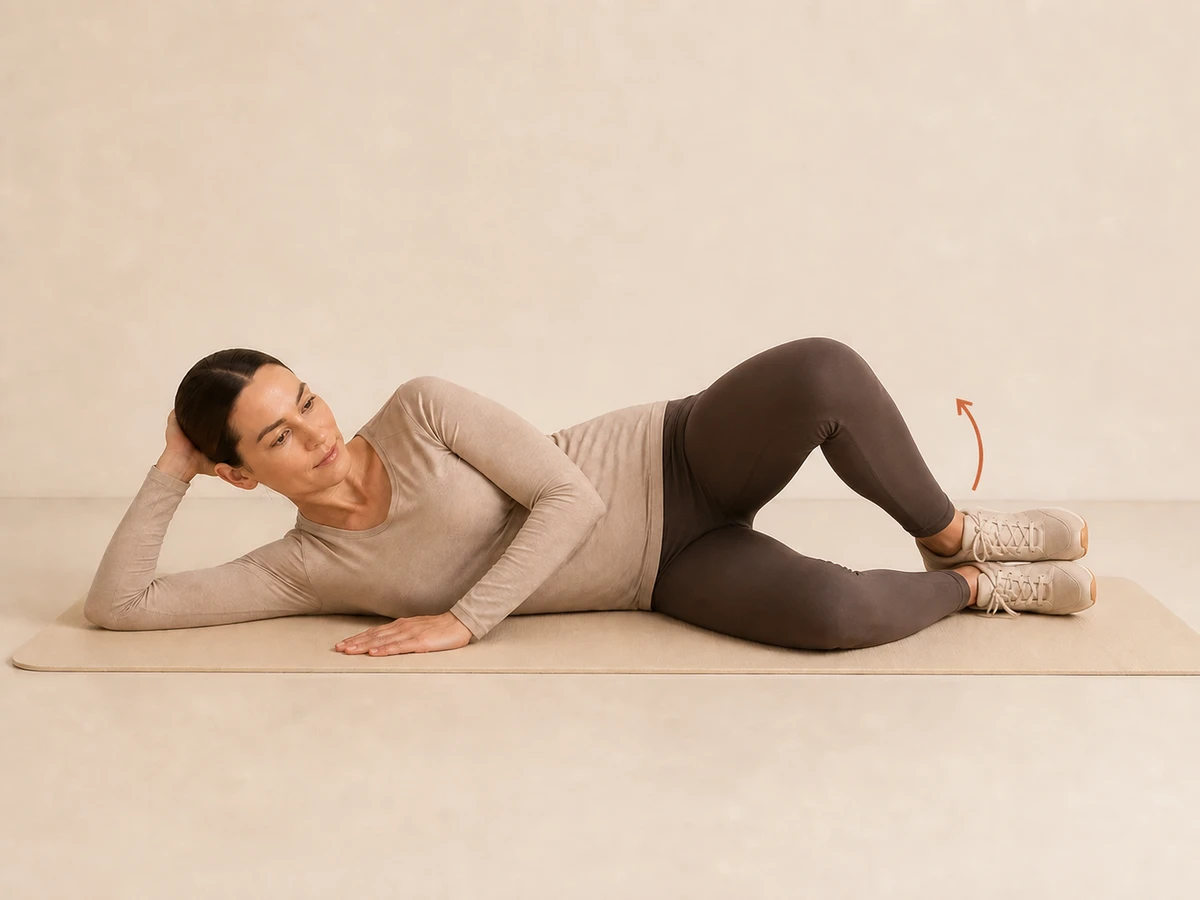
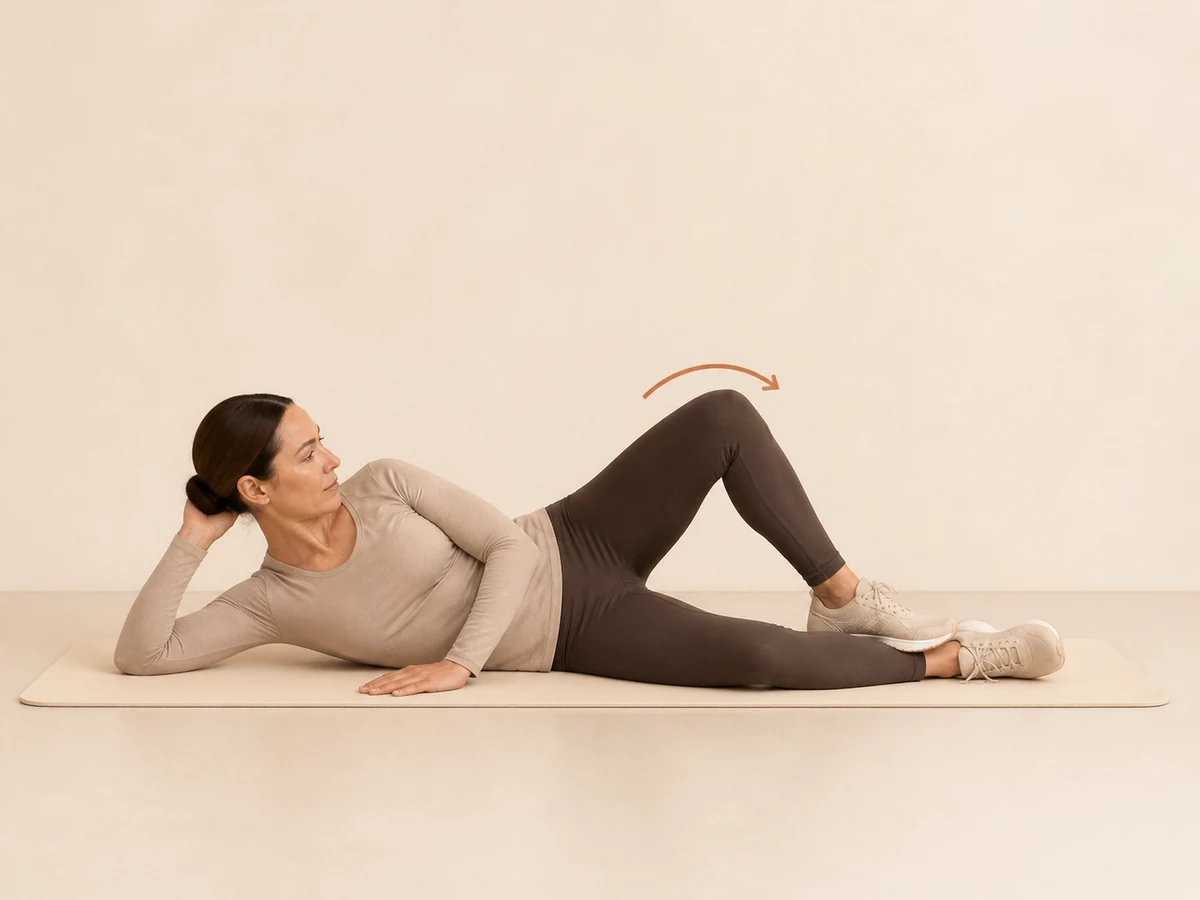
Lie on your side, knees bent and stacked. Keeping your feet together, open the top knee like a clamshell without letting your pelvis roll back. This wakes up the gluteus medius in isolation.
12–15 each sideSide-Lying Leg Raises
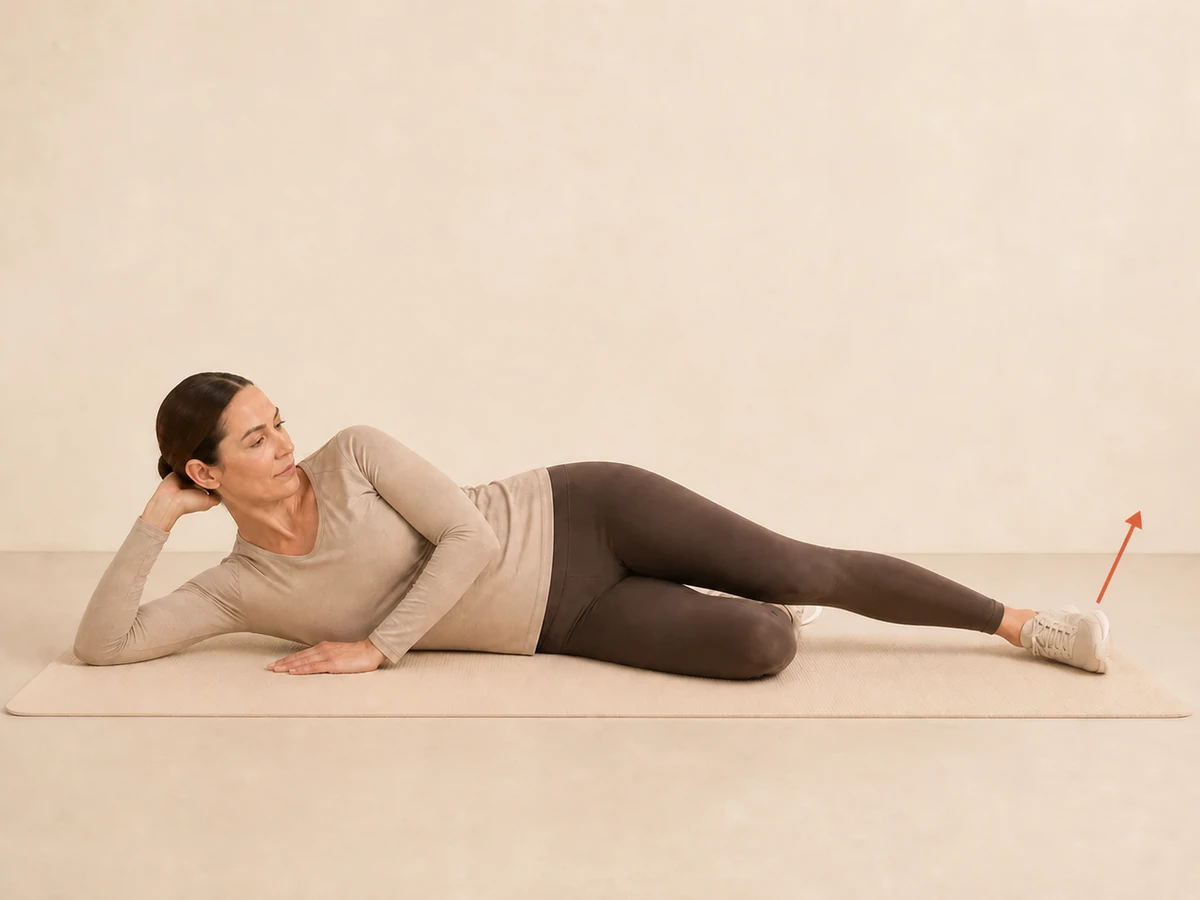
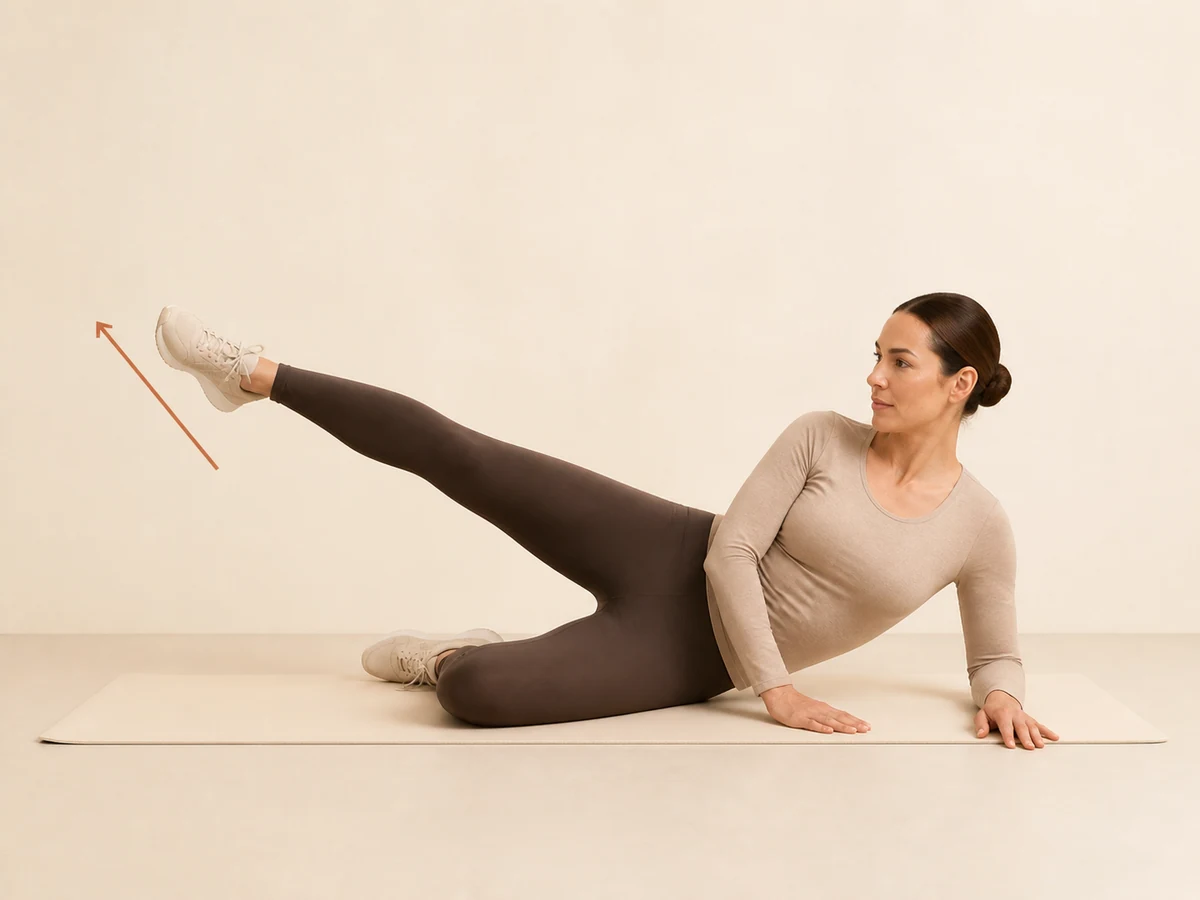
On your side with the bottom knee bent for support, raise the top leg straight up and slightly behind you, leading with the heel. Slow and controlled — you should feel it in the side of the hip, not the low back.
12–15 each sideHip Hikes
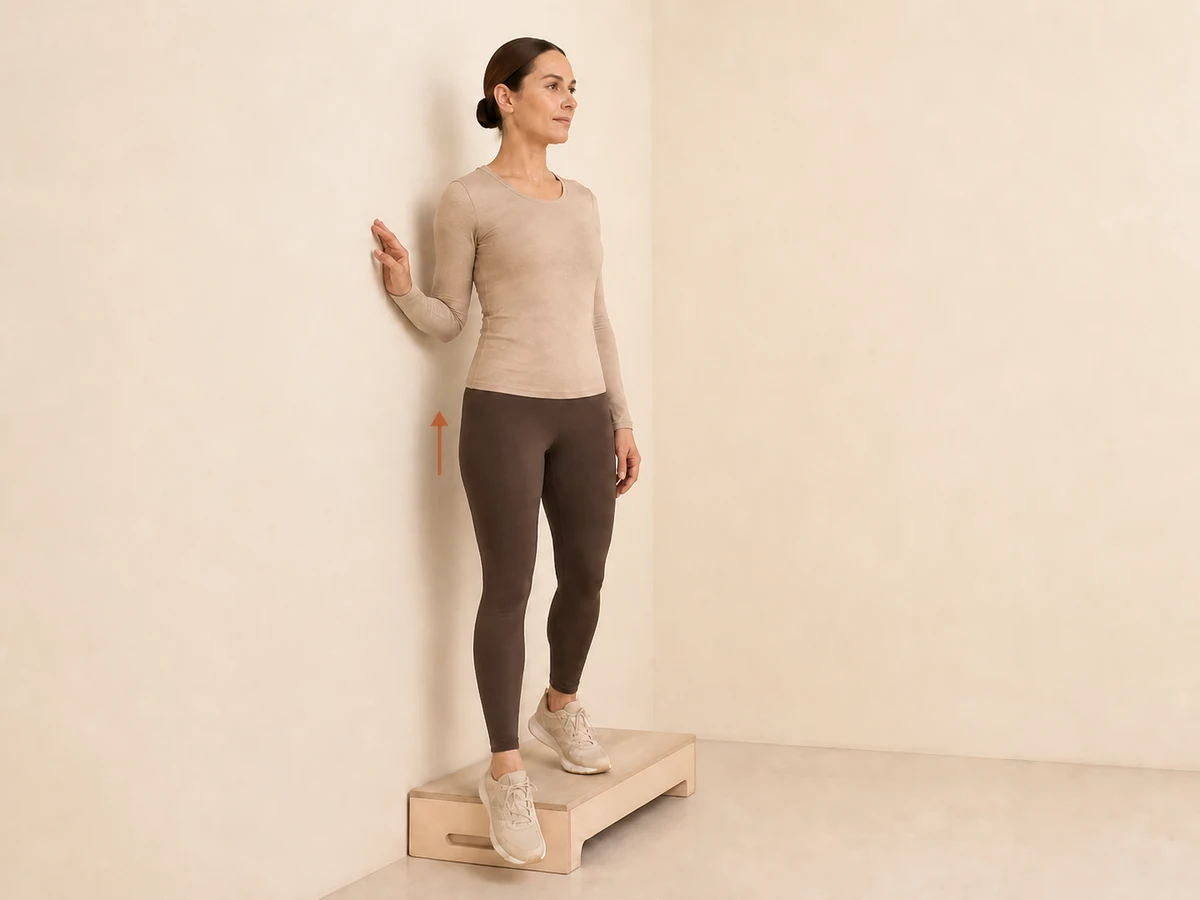
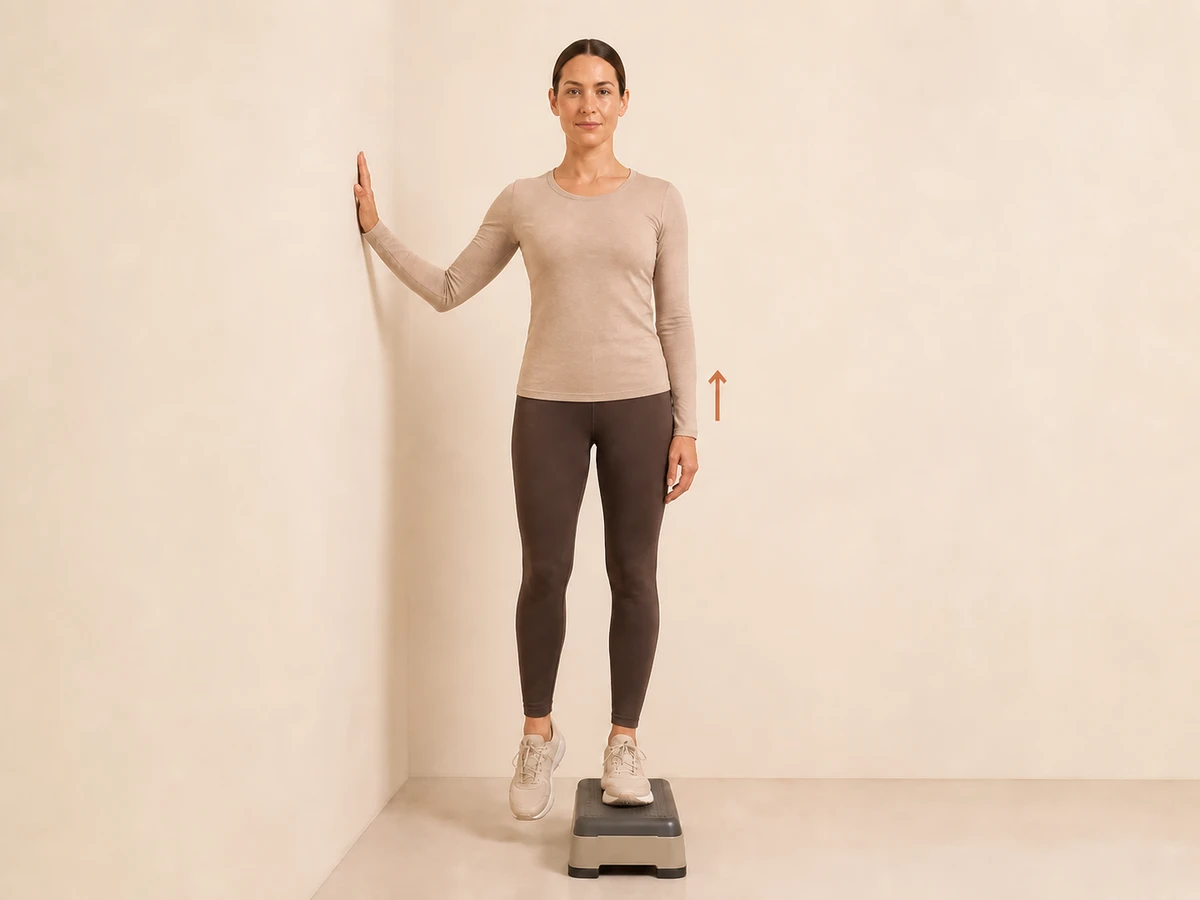
Stand sideways on a step with one foot hanging off the edge. Keeping both legs straight, lift the hanging hip up using the standing-side glute, then lower with control. This trains the muscle to hold your pelvis level.
10–12 each sideStep-Downs
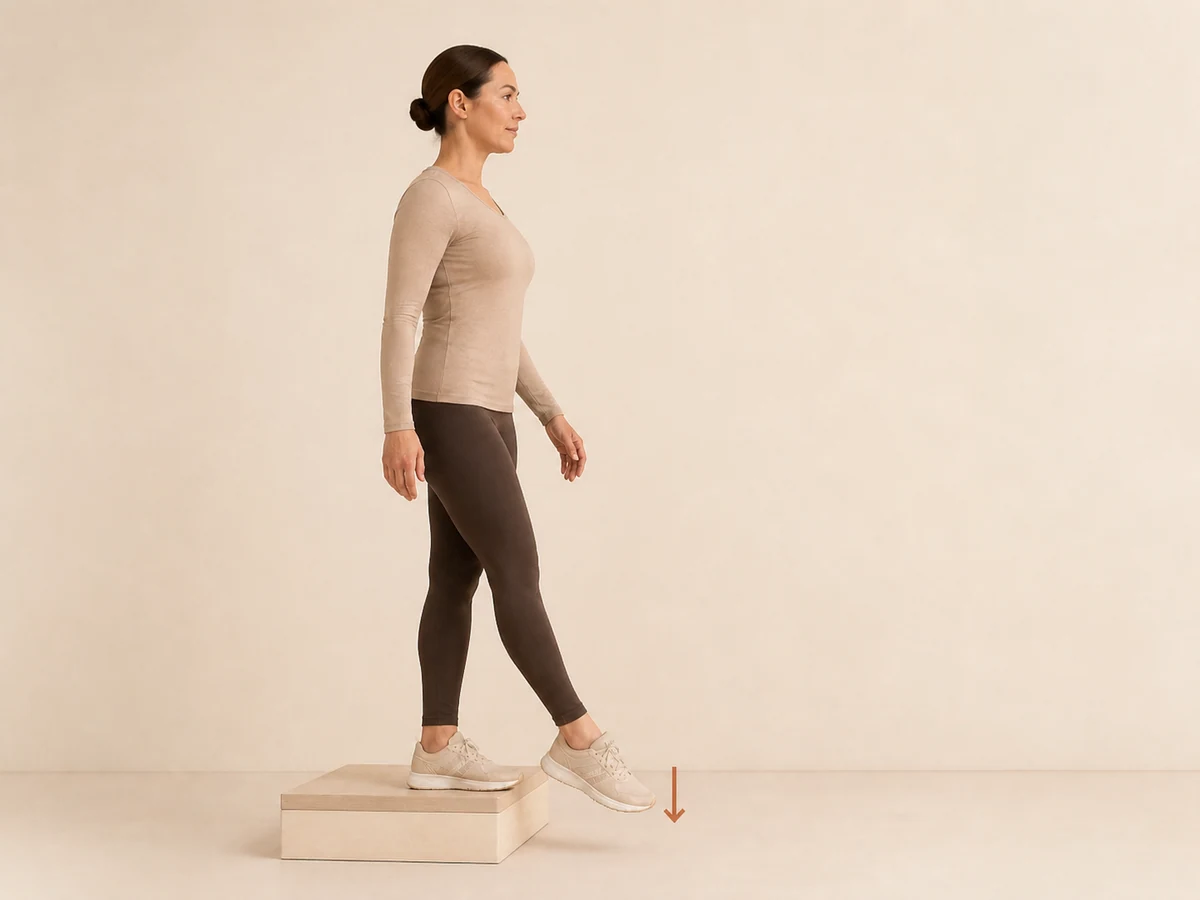
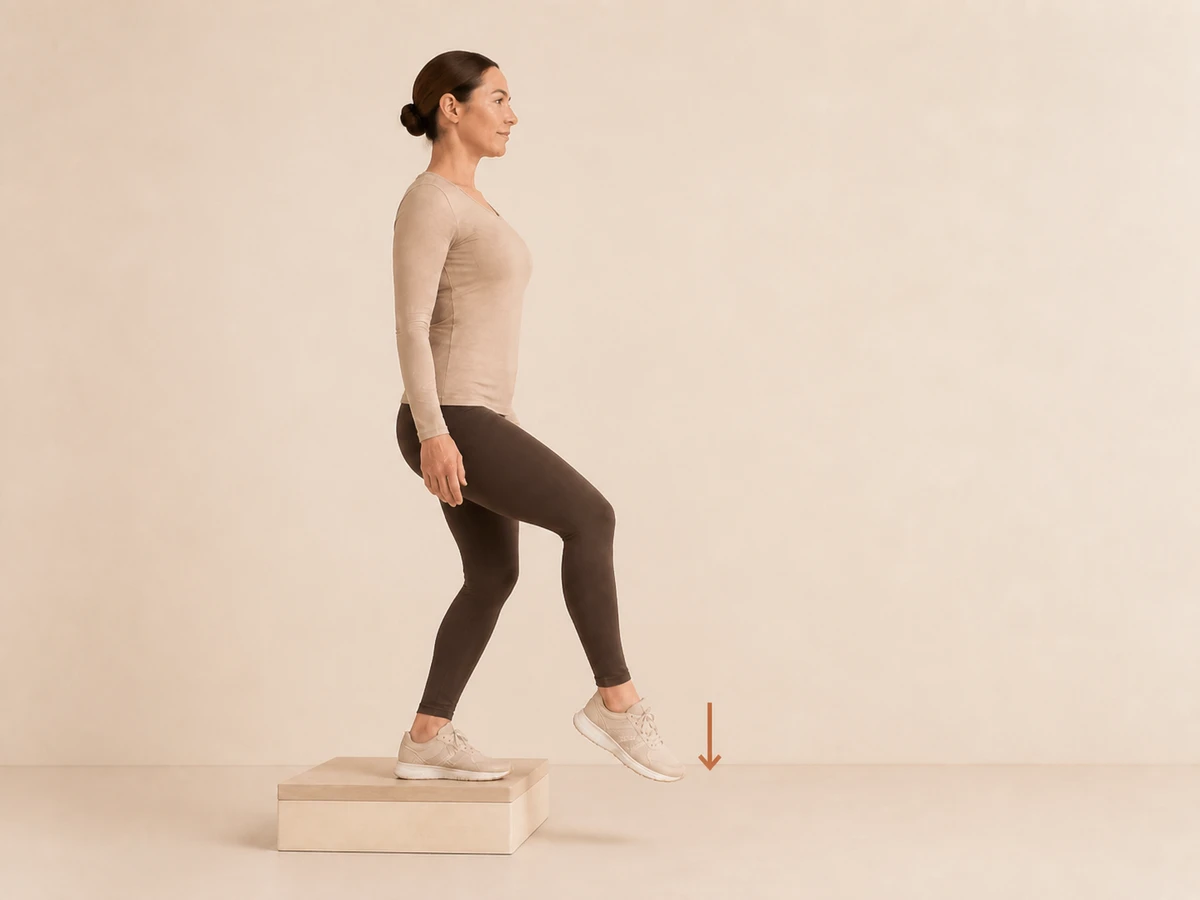
Stand on a low step and slowly lower the opposite heel toward the floor by bending the standing knee, keeping the kneecap tracking over the toes and the pelvis level. Tap and rise. This is the single-leg control you use when you walk.
8–10 each sideExercise leads, but it rarely works alone. Pin & Stretch and Cupping & Scraping calm the overworked tissue that has been compensating, and Precision Spinal Adjustments restore even motion through the pelvis and low back so both sides load symmetrically. You can see the full menu on our services page. Not sure your hip is the source? Our pain locator is a quick way to map where your symptoms point before you book.
What to expect
Because this is a coordination and strength problem, the fix runs on a strengthening timeline, not a rest one. Single-leg control is usually the first thing to steady with consistent work, and the downstream knee or back pain tends to ease later as the hip starts holding. How long that takes depends on how long the pattern has been in place, and it varies from person to person.
The work is not glamorous and the reps are humble, but a gluteus medius that switches on when your foot lands is what stops the knee from caving, the hip from dropping, and the same one-sided back pain from returning every season.
Who we see this weak-hip pattern in around St. Charles County
Across Cottleville, O'Fallon and St. Charles, the same weak-hip story walks in from three directions. Distance runners and weekend 5K regulars feel it first as outer-hip fatigue that creeps in late in a run. Lifters catch the standing knee caving on a heavy split squat or single-leg deadlift. And the largest group of all — the desk-and-drive commuters who sit through a workday and then a highway drive home — simply lose the hip's on-time firing from hours of not asking it to work.
The retraining is the same coordination fix for all three, scaled to the load each one lives under. It is the core of our rehab and corrective-exercise work, and for the runners and lifters it folds into how we handle athletic hip and knee complaints. Coming from the north side of town? The same care serves O'Fallon patients just up Highway N.
If your knee, hip and one side of your low back keep flaring in rotation, they may share a single cause upstream. We screen your hip strength and single-leg control first, then build the corrective plan that targets the driver instead of the symptom.
Find the weak hip behind your knee and back pain, and rebuild it.
Frequently asked questions
- Why does my hip drop when I walk?
- When one hip visibly sags as you walk, the stabilizer on the standing side is usually too weak to keep your pelvis level. That muscle is the gluteus medius, your main hip abductor, and the visible sag is called a Trendelenburg gait. You may notice a wobble on single-leg tasks, outer-hip fatigue late in a walk or run, or the feeling that the hip won't lock in and hold you. It is a strength and timing problem, not something that resolves on its own with rest.
- What are the symptoms of gluteus medius weakness?
- The classic signs are a hip that drops or a knee that caves inward when you stand, walk or run on one leg, plus deep fatigue on the outside of the hip. Many people also feel it downstream as outer-knee or kneecap pain, or upstream as nagging one-sided low-back and SI-joint pain. The hip itself often does not hurt, which is why the weakness is missed for so long. A single-leg balance or step-down test usually exposes it quickly.
- Can weak glutes cause knee pain?
- Yes, and it is one of the most common causes we see. When the gluteus medius can't hold the pelvis level, the thighbone rotates inward and the knee caves toward the midline on every loaded step. That collapse cranks tension through the outer thigh (IT band syndrome) and drags the kneecap off its track (patellofemoral pain). Treating the knee alone rarely holds, because the real driver sits up at the hip.
- How do you fix gluteus medius weakness?
- It is fixed by retraining the muscle to fire on time and hold your pelvis level under load, not by stretching or resting it. At The Spine Studio in Cottleville, corrective exercise leads the plan — isolation work like clamshells first, then single-leg step-downs and controlled hip hikes that rebuild real-world stability. Soft-tissue work and precision adjustments calm the compensating tissue and even out how the pelvis loads. Single-leg control usually steadies first, with the downstream knee or back pain easing later; timelines vary from person to person.